Several months back, I wrote about how Jewish ministry has changed since the Hamas terrorist attack on Israel on October 7, 2023. The world changed on that day and will never be the same. Antisemitism, often called the “world’s oldest hatred,” began to grow at an exponential rate and continues to do so. I juxtaposed my perspective on how the Jewish community and the church have changed from 1983, when I began ministry, to 2026. The changes are dramatic. You can read that newsletter on the blog.
Recently, I went back into some of our archives to explore past newsletters and came across one from 10 years ago. It expressed our commitment to staying focused on the message of Jesus despite the peripheral noise and issues that we could easily make central to our mission. I addressed issues such as the political State of Israel, theological concerns, prophetic positions, and giving humanitarian aid to Israel.
All of those issues are important, but we work very hard to keep them peripheral and stay focused on the message of our Messiah Jesus to the Jewish community. However, while reading through that past letter, I realized that a lot has changed in how we do what we do regarding the way we engage the Jewish community and the church. What is different today than ten years ago? Our thinking, our methods, and our responses. Let me explain.
How We Have Changed
Ten years ago, our mission to the Jewish people was the same, but our methods were different. Because of the nature of the Jewish community today, the war in Israel, and the rise in antisemitism around the world, our cooperation with the Jewish community has increased substantially. Thank God we are partnering more. We are having more substantial conversations related to our mutual fight against the evil of antisemitism. And we are developing deeper relationships.
Our ministry now has initiatives that are more directly helpful to the Jewish community. We engage differently. We have developed new initiatives that encourage greater interaction and bridge-building.
Mariah began with our ministry on an outreach and support trip to Israel for young people. Not only did we help the people of Israel, but we spent time at night on the streets of Tiberias in the Galilee, Tel Aviv, and Jerusalem. We engaged in conversations, gave people information for further study, and made friends. Our goal was to have conversations with people, find out what they believe, and share our own faith in Jesus as Messiah. After joining our staff, Mariah has developed new and very important relationships.
She has seen another side of Jewish ministry that has been just as fruitful. She volunteers with Holocaust survivors, has made friends at the Breman Museum through her work as a docent, and serves on Jewish event-planning committees. She is not there to push anyone to hear the Gospel. Instead, she has spent the past couple of years building real friendships. These relationships are based on mutual trust and respect. And they often lead to open, honest conversations.
We have softened around the edges, but we have not softened the message.
How the Church Has Changed
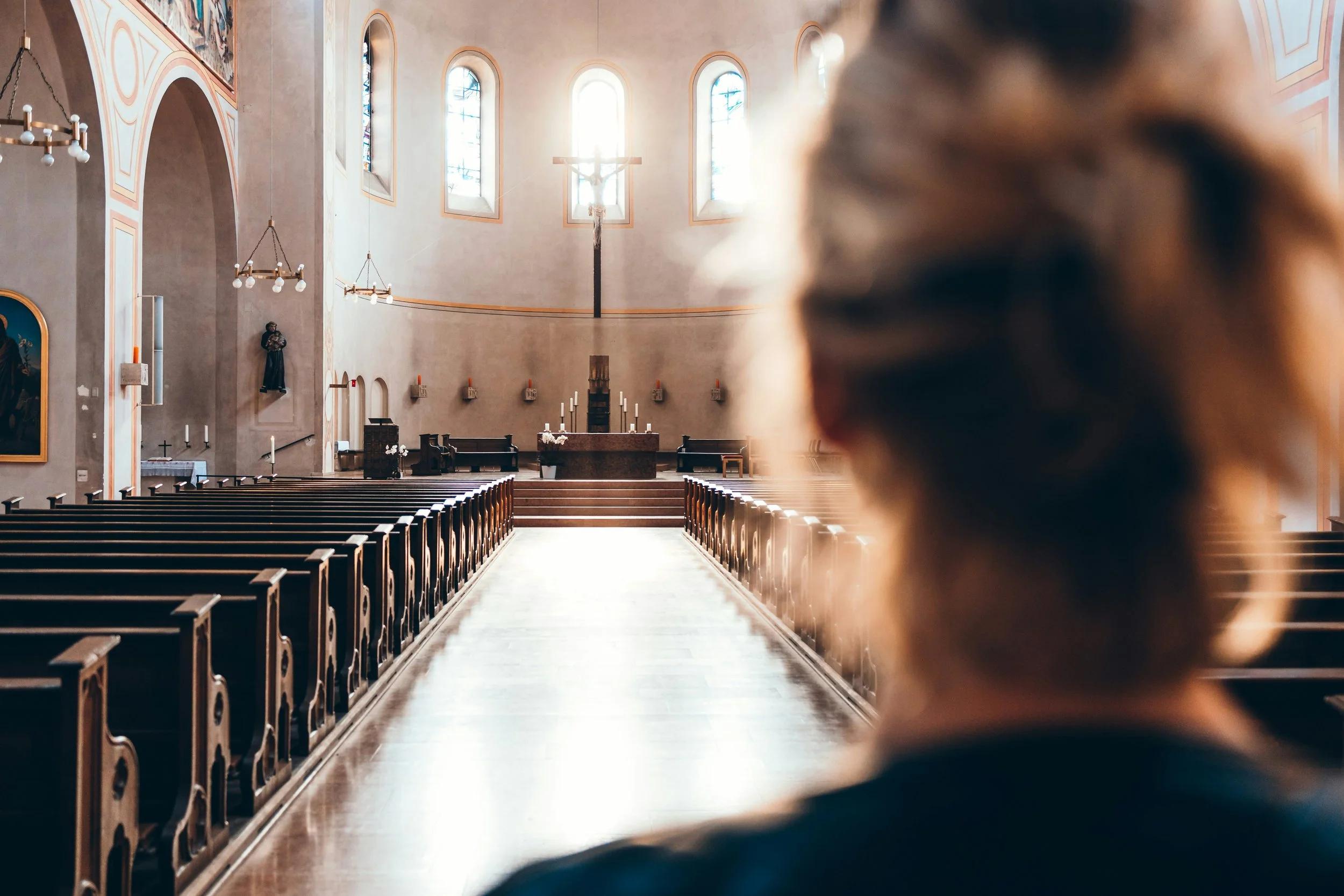
The Church has grown and become more information-saturated. There have been large seeker-friendly churches for years, but the big have gotten bigger, while many smaller churches are getting smaller.
Biblical literacy has declined, and churches do not always take as clear a stand on God’s covenant with the nation of Israel and the Jewish people. I recently went to a church in which the pastor was teaching on Deuteronomy and was specifically in chapters 7 and 8. There was no mention of God’s covenant with Israel and the Jewish people. Romans 11:28–29 reminds us that regarding God’s election, the Jewish people are loved on account of the patriarchs, “for God’s gifts and his call are irrevocable.”
Understanding the place of the Jew and Israel in God’s heart and plan has lessened. The topic is even avoided at times because of fear of misunderstanding or of sounding “too political.”
However, that being said, for those who care about the Word and teach it well, the hunger is there. The menu has simply expanded. There is information overload to the point of confusion. The positive side to this new information age is that it gives us more opportunities to teach and educate. We must remember that while the world is changing at an exponential rate, Messiah hasn’t changed. Nor has the Word of God.
A Conversation With a Rabbi
I had a meeting with a rabbi not too long ago. We have had several encounters. At one of those meetings, he asked me if my main goal was to get other Jewish people to believe what I believe, wondering if I wanted Jews to convert to Christianity.
I explained to him, first of all, that I do not in any way view myself as having converted to Christianity. I am Jewish, and I have accepted Jesus as the promised Messiah of Israel. I believe Him to be the fulfillment of all that our prophets were looking forward to in the Jewish Scriptures. I did not, in any way, accept another religion. I fell in love with a rabbi and came to faith in Him as Messiah. As for me wanting other Jewish people to see, know, and believe that Jesus is the Messiah, of course I hope for that. In the same way, the rabbi would hope that I would no longer believe in Jesus as the Messiah.
I also told him that along with my desire to tell Jewish people that Jesus is the Messiah, there are several rules we follow explicitly. First of all, when I am in a synagogue or with Jewish people in a Jewish environment, I do not share my faith unless I am asked or the conversation turns that way naturally. And when we work with the broader Jewish community, whether in a synagogue or at Jewish community events, we are there to learn, engage, and build relationships. That’s it.
I explained that we are on the same team in many ways. And we are both messianic. The reality is that we are both looking for the establishment of God’s eternal Kingdom. We both want the Messiah to bring judgment and peace to the world. We are both hopeful that the Kingdom will soon be established. The difference? He is waiting. I know the Messiah has come and will return to establish His Kingdom and bring peace to the world.
I reiterated that we are together in the fight against antisemitism and the evil it displays. We stand together as Jews. He is well aware of my hope, my faith, and my belief in Jesus. We are cordially open with one another, enjoy our discussions, and both have hope for the future. This conversation represents our bridge to the Jewish community.
As we build these bridges in a changing world, we need your help. The methods of Jewish ministry may look different than they did ten years ago, but the reason we are here has not changed. We still believe that the greatest gift we can offer my people is the hope of Messiah Jesus. At the same time, we recognize that sharing that hope increasingly takes place in the context of relationships that are built over time.
Those relationships require our presence. They require our team to show up, to listen, to serve, to participate, and to demonstrate genuine love for the Jewish community...not simply because we hope for an opportunity to share the Gospel, but because we truly love the Jewish people.
We are fighting antisemitism. We are building relationships in the Jewish community. We are helping Christians understand the Jewish people and the Jewish foundation of their faith. We are creating opportunities for conversations about Jesus. And through it all, we remain faithful to the calling God gave us more than forty years ago.
Your prayers and financial support allow our staff to be present in the Jewish community. You’re helping us develop these relationships, create new outreach initiatives, equip churches, combat antisemitism, and continue proclaiming the hope of Messiah Jesus.
Some conversations may open with a direct opportunity to share the message of Jesus. Some may begin with...a Shabbat dinner, a chance meeting at a Jewish community event, a friendship with a Holocaust survivor, a meeting with a rabbi, or simply sitting across the table from someone and listening. We don’t always know where those conversations will lead. But we know the One who does. Our Messiah leads, guides, directs, and opens doors that we could never open ourselves.
The world may be changing faster than ever. Our methods may continue to change with it. But our calling remains the same.
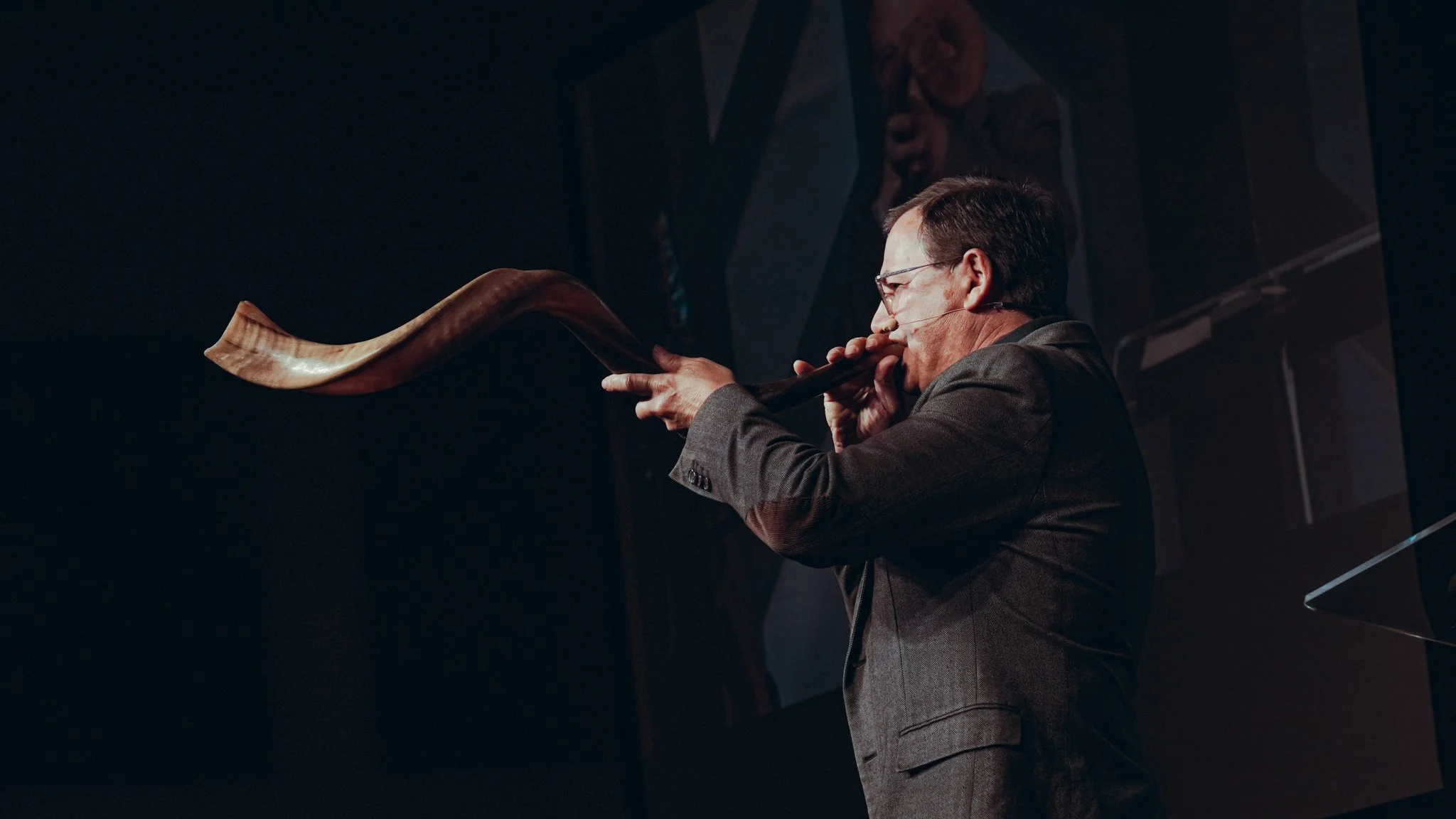
By Murray Tilles
Founder and Executive Director